
Three Ways Commercial Property Value Is Created or Lost Before a Sale
Three Southern Wisconsin transactions show how leasing, capital needs and purchase basis can affect investment value.
Two five-tenant industrial flex properties in Madison sold five months apart in 2026, one for $93 per square foot and the other for $138.
One was older and had identifiable near-term capital needs. The other was nearly new construction and had been leased from a speculative development into a fully occupied investment property.
A third transaction, Pewaukee Crossings, had vacancy, shorter lease terms and some maintenance needs, but also a purchase basis that gave the buyer room to improve the property.
I was involved in all three transactions, and the differences between them were substantial.
Property values can vary significantly even among similar investments, as explored in Why Three Walgreens Properties Sold at Very Different Prices.
Three Southern Wisconsin Investment Sales in 2026
|
Property
|
Closing Date
|
Building Size
|
Sale Price
|
Price/SF
|
|---|---|---|---|---|
|
908 Stewart St, Madison
|
1/16/2026
|
35,000 SF
|
$3,263,000
|
$93.23
|
|
2530 Agriculture Dr, Madison
|
6/18/2026
|
22,500 SF
|
$3,100,000
|
$137.78
|
|
Pewaukee Crossings, Pewaukee
|
7/31/2026
|
15,683 SF
|
$2,500,000
|
$159.41
|
Stewart Street: Future Capital Costs Affect Value Today
The 35,000-square-foot industrial flex property at 908 Stewart Street was occupied by five tenants and generated current income, but it also came with near-term capital needs.
The parking lot was one of the most significant items. A buyer had to consider the likely cost of replacing it, along with other future capital expenditures, when deciding what the property was worth.
For an owner considering a sale, those future costs are likely to show up in the buyer’s pricing whether the work has been completed yet or not.
Agriculture Drive: Leasing Created the Investment
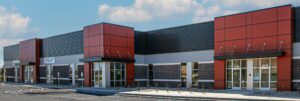
The 22,500-square-foot industrial flex building at 2530 Agriculture Drive started as a speculative development.
Bryant Meyer and I formed the leasing team for the property and leased all available spaces.
By the time the owner was ready to sell, the buyer was acquiring a fully occupied investment with established income and limited immediate capital needs.
When the property went to market, the lease-up risk had already been taken off the table.
Another example of how leasing can create property value is explored in Reinvigorating a Generational Industrial Asset in Madison.
Pewaukee Crossings: Vacancy Created the Opportunity
Pewaukee Crossings was different.
The 15,683-square-foot retail property had local tenants, shorter lease terms, two vacant suites and some maintenance needs.
The vacancies and shorter leases were problems, but they were problems the buyer believed could be fixed at the right purchase basis.
The purchase still had to leave enough room to address the property issues, lease the vacant spaces and improve income over time.
At the time of review, two suites were vacant which were contributing to lost income potential. Both suites were in gray box condition and needed to be improved.
Managing tenant turnover and minimizing vacancies are important considerations for commercial property owners, as explored in How Can Industrial Landlords Avoid Costly Tenant Turnover?
I helped the buyer understand what improvements would be needed, shared my thoughts on market lease rates, and negotiated a Seller leaseback on the larger vacant suite to give the buyer time to market and lease the vacancies.
The upside will depend on making specific improvements and executing on leasing, rather than simply waiting for the property to appreciate.
What I Take From These Sales
The common thread is that none of these properties could be valued from the rent roll alone
At Stewart Street, future capital costs were already affecting today’s value. At Agriculture Drive, successful lease-up and new construction had reduced risk before the sale.
At Pewaukee Crossings, the buyer was willing to take on vacancy because the purchase basis left room to improve the property and income position.
For owners, capital decisions made well before a sale can affect the eventual price.
For investors, the better question is whether a property’s problems are permanent or fixable.
Frequently Asked Questions
How do future capital improvements affect the sale price of a commercial property?
Buyers typically consider anticipated capital expenses when evaluating a property’s value. Major improvements, such as parking lot replacement or building repairs, can influence the price a buyer is willing to pay, even if those expenses have not yet been incurred.
Why is occupancy important when selling an investment property?
A fully leased property provides established rental income and reduces the uncertainty associated with finding tenants. Properties with vacancies may offer opportunities for investors, but buyers must consider leasing costs, potential improvements and the time required to generate additional income.
Can a commercial property with vacancies still be a good investment?
Yes. Vacant commercial properties can offer opportunities when the purchase price allows room for improvements and future leasing. Investors should evaluate market rental rates, anticipated improvement costs and the property’s potential to generate additional income.

Tony Keuntjes
Commercial Real Estate Advisor
Tony specializes in investment property, industrial sales and leasing, and office sales and leasing — bringing an analytical, research-driven approach to every assignment. By leveraging Oakbrook’s proprietary market data, clients understand their real options, act decisively when opportunities arise, and avoid the reactive decisions that lead to regret.
608-443-1039
akeuntjes@oakbrookcorp.com
Meet Tony Keuntjes